Jump to:
Summer leaves room for top-ups, second goes, and filling gaps as harvests empty the beds. This planting calendar walks you through each month so you can see what to plant, what’s ready to harvest, and more.
How to Use Our UK Summer Planting Calendar 2026
Each month has a table showing what you can grow this season, plus some tips and ideas. Jump straight to the month you’re in to see which crops are ready to sow and how to make the most of the free spots.
Didn’t plant something before? Don’t worry, as we’ll also include fast-growing options you can still slot in. Let’s get started!
June
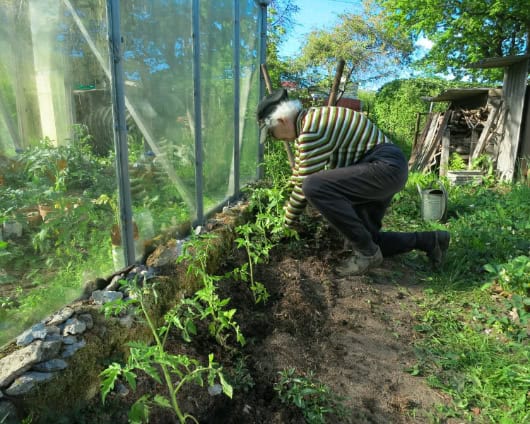
(Image Credit: Wikimedia Commons)
| Category | What to Do / Plant |
|---|---|
| Direct sow in the ground | French beans, carrots, beetroot, radishes, turnips, courgettes. Start late lettuces and spinach in cooler, shaded patches. |
| Containers & trays | If you’re short on space, use pots or growbags. Tomatoes, chillies, aubergines, and peppers can all go in now. |
| Spacing & watering | Give plants room to spread without crowding. Keep soil moist but not waterlogged; check in the mornings. |
| Succession sowing | For radish, lettuce, and spinach: sow small batches every couple of weeks so you always have fresh leaves ready. |
June is when the garden soil starts to warm up, giving you the green light to sow directly into the ground. It’s a good month for heat-loving crops, but you can still get some of the colder-season ones in before it gets too warm.
- Direct sow in the ground: French beans, carrots, beetroot, radishes, turnips, and courgettes. You can also start late lettuce and spinach in patches that aren’t baking in full sun.
- Containers and trays: Consider this if you’re short on space. Pots and growbags work, too. Tomatoes, chillies, aubergines, and peppers can all go in now — these crops thrive in a greenhouse, which offers a more controlled environment, helping to extend your yields into autumn and protect your plants from unpredictable weather.
- Spacing and watering: Give plants room to spread without crowding. Keep the soil moist but not waterlogged; check in the mornings.
- Plan for succession sowing: This is for radish, lettuce, and spinach. Sow a small batch every couple of weeks so the bowls never run empty.
What you can harvest now
If you planted any of these earlier in spring, they’re ready to grab and eat. This includes:
- Salads: Loose-leaf lettuce, rocket, mizuna. Grab a few leaves as you need them.
- Herbs: Chives, parsley, coriander, mint. Snip leaves to keep them growing.
- Fast growers: Baby spinach, radishes, early beetroot greens. Pick what you need and let the rest keep growing.
Tip: Snip a few seedlings to avoid overcrowding, and toss them in a salad instead of throwing them.
If you haven’t planted yet
Use up the open patches and sow French beans, courgettes, or radishes. If space allows, find a corner for cabbage and early cauliflower as well. Even a few tomato or pepper plants in pots will give you something to pick later.
July
| Category | What to Plant / Do |
|---|---|
| Direct sow | Summer radishes, spinach, turnips, leaf beet, late carrots, dwarf beans. Courgettes and late salad leaves can also go straight in the bed. |
| Containers & small patches | Tomatoes, peppers, chillies, aubergines, bush beans, dwarf cucumbers. Late lettuce, rocket, and spring onions can slot into smaller corners or under taller crops. |
| Succession sowing | Keep sowing quick salad leaves and radishes every couple of weeks to keep a steady supply of fresh picks. |
By now, the garden is in full swing, but there’s still plenty you can get growing.
- Direct sow: Summer radishes, spinach, turnips, leaf beet, late carrots, and dwarf beans. Courgettes and late salad leaves can also be sown in the bed.
- Containers and small patches: Tomatoes, peppers, chillies, aubergines, bush beans, and dwarf cucumbers. Late lettuce, rocket, and spring onions can slot in smaller corners or under taller crops.
- Succession sowing: Keep sowing quick salad leaves and radishes every couple of weeks.
What you can start picking
Some crops planted earlier in spring and early summer will be ready now, such as:
- Broad beans and peas: Finishing up, good for pulling and clearing beds.
- Early potatoes: Dig and pick as needed.
- Salads and herbs: Keep snipping loose leaf lettuce, rocket, chives, parsley, and coriander.
- Mid-season crops: Courgettes, dwarf beans, summer spinach, beetroot. Harvest regularly so the plants keep producing.
Late starters
Even if you’re behind, you can still pop in these plants before autumn:
- Radishes, leaf beet, spinach, dwarf beans, and summer lettuce.
- Small containers are perfect for peppers, cherry tomatoes, bush cucumbers, and some herbs.
How to manage heat and dry spells in July?
Water in the early morning or evening so the soil can soak it up. Don’t let plants get baked in the sun. If they are, give them some shade or move them if you can.
Give taller plants like tomatoes and beans space to breathe so they don’t get damp problems. If you’ve been using fleece, you can take it off now unless it’s a cold night.
August
| Category | What to Plant / Do |
|---|---|
| Direct sow | Spinach, winter lettuces, radishes, turnips, leaf beet, and spring onions — they handle shorter days and cooler nights. Late carrots, dwarf beans, and kale can go in too if you’ve got more room. |
| Containers & small corners | Bush beans, dwarf cucumbers, cherry tomatoes, and peppers. Herbs like coriander or parsley can also be added to pots or spare corners. |
| Free patch | Include spring cabbage, winter spinach, or hardy lettuces in any open beds or corners to make the most of the space. |
The pace in the garden starts to slow a bit in August as the days shorten, but you can still be productive. Here are some crops that can give you a harvest before the first frosts.
- Direct sow: Spinach, winter lettuces, radishes, turnips, leaf beet, and spring onions. they handle shorter days and cooler nights fine. Late carrots, dwarf beans, and kale can go in too if you’ve got more room for them.
- Containers and small corners: Bush beans, dwarf cucumbers, cherry tomatoes, and peppers. You can also add herbs like coriander or parsley.
- Free patch: Include spring cabbage, winter spinach, or hardy lettuces in this batch.
What’s ready for the kitchen
This month is peak harvest for a lot of summer crops, and you might have more than you can eat. Grab what you need, and use, freeze, or share the rest so nothing goes to waste.
- Courgettes and squash: Pick before they go massive.
- Tomatoes: Red means grab! Check beds and pots.
- Onions and garlic: Leave them sunbathing before storing.
- Other crops: Beans, carrots, beetroot, spinach, salad leaves, and herbs are also ready.
Last-minute sowings
- Fast crops for late harvest: Radishes, leaf beet, spinach, dwarf beans, quick lettuces.
- Crops that take a bit longer but are still on time: Spring cabbage, kale, turnips, and late carrots.
- Containers or small gaps: Cherry tomatoes, peppers, bush cucumbers, parsley, and coriander.
Looking after the soil in August
By August, some beds have had crops in for months. Give them a refresh by clearing out finished plants and any old roots. Add a bit of compost or mulch to boost the soil. Doing so can help late plantings and make the beds ready for the next round.
Round-up
That’s your summer planting guide in a nutshell. This season might be moving fast, but there’s still plenty of growing and harvesting to be done. We hope it’s given you a few ideas for which crops are coming along, what you can pick, and ideas for keeping the beds going. Happy growing!
If you want to stretch the season even further, a greenhouse is a great move. Have a look at our great selections below and see what could fit in your garden: